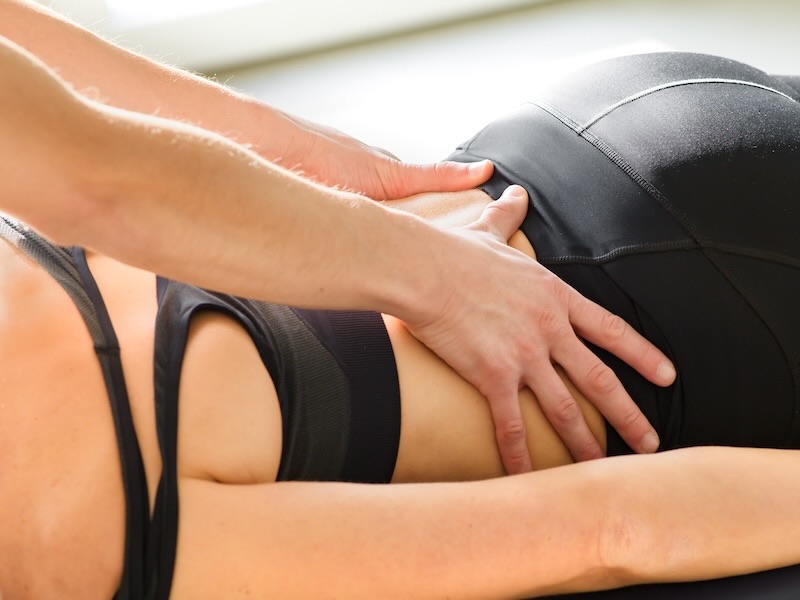
Massage therapy is not merely a luxury or an indulgence; it is a fundamental pillar of integrative medicine and physical rehabilitation. We define our approach as Clinical Soft Tissue Mobilization—a targeted, evidence-based discipline designed to restore function to the musculoskeletal system. In a clinical setting, manual therapy bridges passive recovery and active movement.

Therapeutic Massage & Soft Tissue Mobilization
Our licensed therapist Jackie doesn’t simply rely on routine sequences; she works in tandem with your broader medical goals to address the root causes of dysfunction. Whether you are a patient navigating the structural changes of significant weight loss, an athlete recovering from high-impact training, or an individual suffering from chronic postural fatigue. By manipulating the soft tissues—muscles, tendons, ligaments, and fascia—we mechanically assist the body in correcting alignment issues, reducing systemic inflammation, and preparing its physical architecture for optimal performance. This is intentional, therapeutic touch designed to facilitate healing at a structural level.

Fascia & Circulatory Dynamics
To understand the efficacy of our treatments, one must look beyond the muscle and examine the fascia—the continuous web of connective tissue that surrounds every organ, bone, and nerve fiber in the body. Trauma, inflammation, and sedentary lifestyles can cause this tissue to dehydrate and adhere, creating rigid “adhesions” that restrict the range of motion and trap metabolic waste. Our therapeutic approach uses Myofascial Release and specific deep-tissue techniques to break down these adhesions, rehydrating the tissue and restoring its elasticity. Furthermore, manual manipulation is a powerful driver of hemodynamics (blood flow). By applying varying degrees of pressure, we mechanically pump blood through the vascular system, flushing out lactic acid and metabolic byproducts from stagnant areas while simultaneously forcing oxygen-rich, nutrient-dense blood into ischemic (oxygen-deprived) tissue. This accelerated exchange of fluids is critical for cellular repair, reducing recovery time between workouts, and alleviating the fluid retention often associated with metabolic shifts.
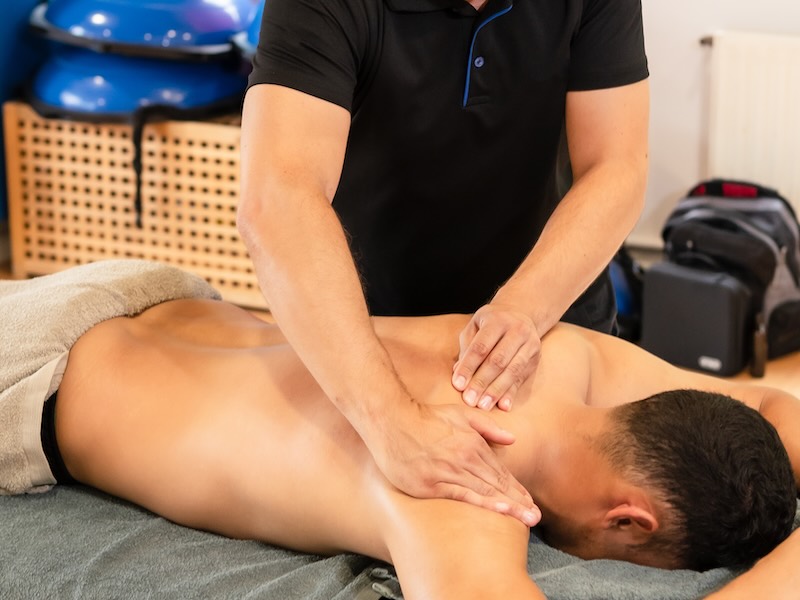
Neurological Regulation
The benefits of clinical massage extend well beyond the musculoskeletal system, influencing the central nervous system in profound ways. In our high-stress modern environment, many patients live in a state of sympathetic dominance (chronic “fight or flight”), characterized by elevated cortisol levels, anxiety, and systemic inflammation. Therapeutic touch is one of the most effective ways to mechanically stimulate the vagus nerve, which governs the parasympathetic nervous system (the “rest and digest” state). Clinical studies have demonstrated that massage therapy can significantly reduce cortisol levels while simultaneously boosting serotonin and dopamine—neurotransmitters essential for mood regulation and pain perception. At Park Slope Medical Wellness, we view this “neurological reset” as a critical medical intervention. By lowering the body’s stress baseline, we improve sleep quality, enhance immune function, and create the internal physiological environment necessary for long-term healing and metabolic balance.